爱你老己
Love you, old self
爱你老己,明天见。Love you, old self. See you tomorrow.
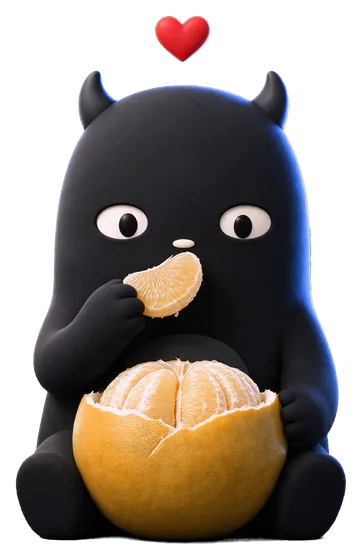
爱你老己 means “love you, old self”. 老己 is your own self, treated like an old friend that you look after. People say it after a small treat or a hard day.
- Took off
- 2025
- Started in
- A game line
- Today
- Current
What it means
老 goes before a name to make it friendly, as in 老王, “old Wang”. 己 is “self”, as in 自己. So 老己 is “good old me”.
It gives you permission to be ordinary: you buy the milk tea, you take the nap, or you forgive yourself for a failed exam.
How people use it
It is current. The Paper notes that shops caught on: 买这个犒劳老己, “buy this to treat your old self”, is now a sales line too.

你今天怎么这么开心?
Why are you so happy today?终于交了报告,给自己买了个蛋糕
I finally handed in my report, so I bought myself a cake.慢慢吃,你值得
Enjoy it. You’ve earned it.爱你老己,明天见
Love you, old self. See you tomorrow.
More examples
加班辛苦了,爱你老己。
You worked late. Love you, old self.
考试没过也没关系,爱你老己!
Failed the exam? That’s OK. Love you, old self!
再买一杯奶茶吧,老己值得。
Get another milk tea. Old self deserves it.
Where it came from
It adapts a line from the game League of Legends. The champion Sett says 爱你老妈,明天见, “love you, Mom, see you tomorrow”, and players used it as a joking sign-off.
In late November 2025 a Douyin creator posted a video: they wanted to eat a pomelo but did not want to peel it, so they peeled it for themselves and signed off with 爱你老己,明天见. The phrase spread across Chinese social media in December and was everywhere at the turn of 2026.
The original. A short video: a creator peels a pomelo, gives it to themselves and signs off with the line. Sinica’s Phrase of the Week tells the story. Sinica
Related memes
Related slang in the dictionary: 情绪价值
Sources
- The Paper, December 2025 (in Chinese) (thepaper.cn)
- Sixth Tone, January 2026 (sixthtone.com)
- Sinica: Phrase of the Week, January 2026 (sinicapodcast.com)
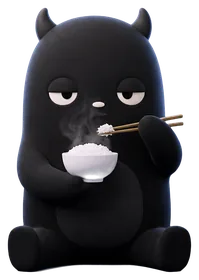
Checked November 2026. The picture at the top is our own drawing of 灯灯. It is not the original meme image.
Ten Chinese memes
One Chinese internet meme every three days for a month: where it came from, what it means and how to use it.