佛系
Buddha-style (laid-back)
都行,我很佛系。Anything’s fine. I’m very laid-back.

佛系 means “Buddha-style”: calm, easygoing and not fighting for anything. You call yourself 佛系 when you take whatever comes, from a lost game to a late package.
- Took off
- 2017
- Started in
- A Japanese magazine term
- Today
- Now everyday Chinese
What it means
佛 is Buddha and 系 means “type” or “style”. The label borrows the image of calm and applies it to daily life; it has nothing to do with religion.
It attaches to many words: 佛系青年, “laid-back young people”, 佛系生活, a whatever-happens life, 佛系追星, being a fan without the effort. A well-known sticker, the 佛系三连, sums up the attitude in three replies: 都行, 可以, 没关系, “anything’s fine, OK, no problem”.
How people use it
It is everyday Chinese. Said about yourself, it can mean you stay calm, or it can be a soft excuse for not trying. Said about someone else, it can mean they lack drive, so watch your tone.

你抢到演唱会门票了吗?
Did you manage to get concert tickets?没有,我佛系了
No. I’ve gone zen about it.真的不难过?
You’re really not upset?有就去,没有就在家听
If I get one, I go. If not, I listen at home.
More examples
考试能过就行,我现在很佛系。
As long as I pass the exam, it’s fine. I’m very laid-back now.
他打游戏很佛系,输了也不生气。
He’s chill about games. He doesn’t get mad when he loses.
For the word itself and how to reply to it, see 佛系 in the slang dictionary.
Where it came from
The word came from Japan. A Japanese magazine wrote about 佛系男子, men who would rather spend time alone with their hobbies than date, according to the explanation on China’s 2018 list of internet phrases. Language Log gives the magazine’s year as 2014.
In China it took off in December 2017, when a post about young people’s 佛系生活, a laid-back life, spread online, NBD reports. The meaning widened to anyone who does not compete or care about winning.
In 2018 it made two year-end lists: 咬文嚼字’s ten popular phrases and the ten internet phrases of the National Language Resources Monitoring and Research Center.
The original. No single post. The term came from a Japanese magazine, and Chinese articles spread it in December 2017. The Paper’s report on the 2018 list explains it. The Paper (in Chinese)
Related memes

Sources
- The Paper: the internet phrases of 2018 (in Chinese) (m.thepaper.cn)
- Language Log: “Buddha whatever”, February 2019 (languagelog.ldc.upenn.edu)
- NBD: 咬文嚼字’s phrases of 2018 (in Chinese) (nbd.com.cn)
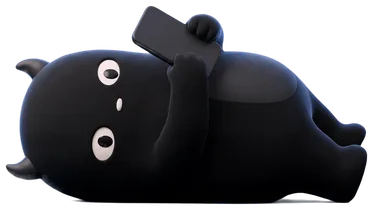
Checked November 2026. The picture at the top is our own drawing of 灯灯. It is not the original meme image.
Ten Chinese memes
One Chinese internet meme every three days for a month: where it came from, what it means and how to use it.