你已急哭
You’re already crying
你已急哭。You’re crying already.

你已急哭 means “you are so upset you are already crying”. It is a tease for someone who gets worked up over a game, an argument or a comment.
- Took off
- 2026
- Started in
- Mobile game players
- Today
- Current
What it means
急 here means “worked up”, not “in a hurry”. 你急了, “you’re getting worked up”, is a common jab in online arguments: it says the other person has lost their cool. 3DM calls 你已急哭 the catchiest form of it.
已 means “already”, so the line sounds like a verdict. People also turn it on themselves: 我已急哭, “I’m crying already”, about their own bad day.
How people use it
It is current. Between friends it is a light joke after a bad round. Sent to a stranger in an argument, it is meant to provoke, so use it with care.

刚才那局你怎么一直骂队友?
Why were you yelling at your teammates all last round?我没生气!是他们太菜了!
I’m not mad! They’re just bad!你已急哭
You’re already crying.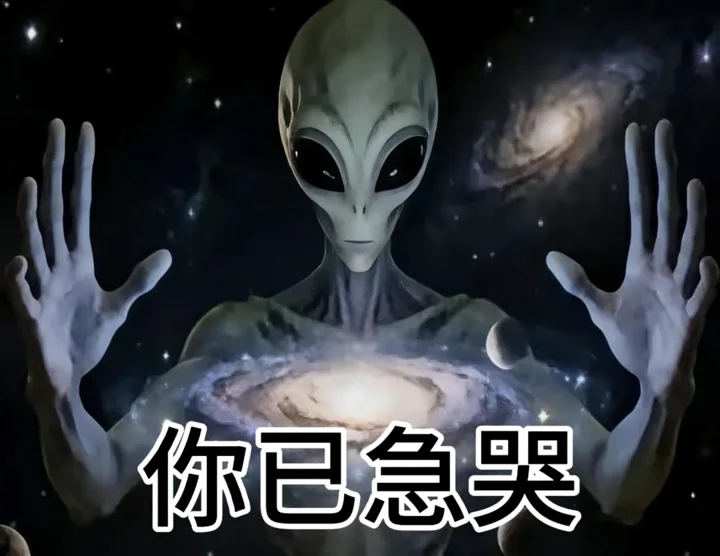 [Sticker] A grey alien over the words “you’re already crying”
好吧,我再打一局冷静一下
Fine. One more round to calm down.
More examples
才输一局你就骂人,你已急哭。
You lost one round and started swearing. You’re crying already.
我的外卖又晚了一小时,我已急哭。
My takeout is an hour late again. I’m crying already.
Where it came from
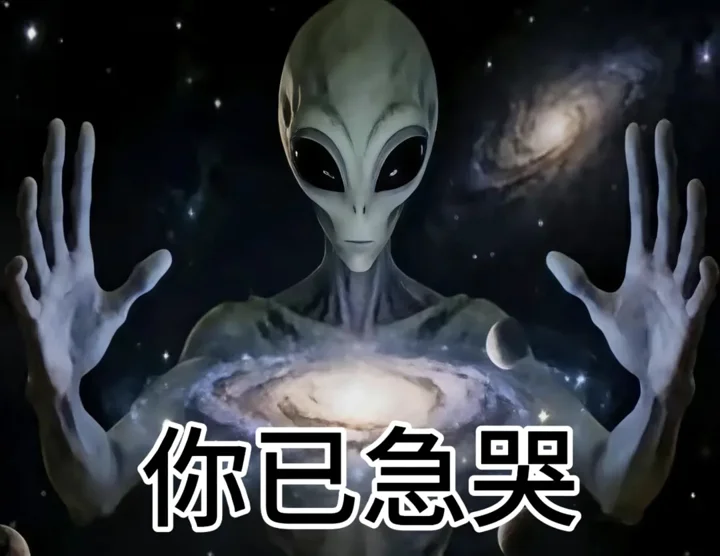
The line comes from game culture. A 3DM article from January 2026 says a streamer of a Naruto mobile game used it to mock opponents. SmartShanghai also traces it to gaming.
It spread with a picture: an AI-made alien face with 你已急哭 in large characters. According to 3DM, players of a mobile shooting game shared it first, and it was in comment sections by November 2025. People made it in many colors and sent several at once.
Related memes


Sources
- 3DM on the alien picture, January 2026 (in Chinese) (3dmgame.com)
- SmartShanghai, Chinese slang of 2026 (smartshanghai.com)
Checked November 2026. The picture at the top is our own drawing of 灯灯. The original meme image belongs to its owner and is shown to explain the meme. To ask us to remove it, write to legal@dengdeng.app.
Ten Chinese memes
One Chinese internet meme every three days for a month: where it came from, what it means and how to use it.