牛马
Workhorse (literally “oxen and horses”)
早上好,牛马们。Good morning, fellow workhorses.
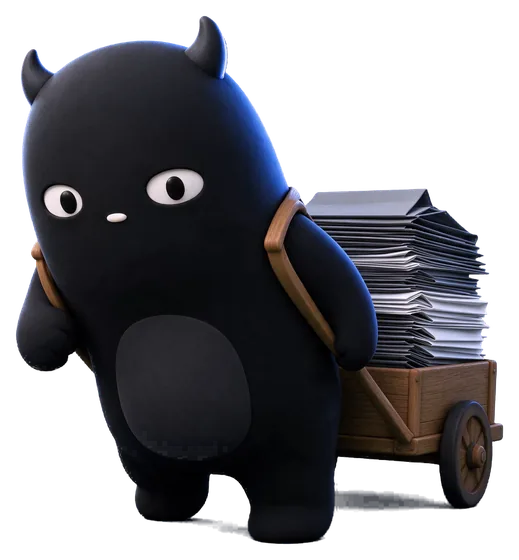
牛马 means a worker who toils like a beast of burden for little pay. Young people say it about themselves with a shrug, and it has largely taken over from 打工人.
- Took off
- 2024
- Started in
- Workplace jokes online
- Today
- Current
What it means
牛 is an ox or a cow and 马 is a horse, the animals that pull and carry. The word draws on the old saying 做牛做马, “to work like an ox or a horse”, which means to slave away for someone.
Said about yourself, it is dark humor about long hours, a boss and a salary that never goes up. Said to someone else, it can be a real insult.
How people use it
It is current and very common, in office group chats, in posts about overtime and on Monday mornings. 牛马文学, “workhorse literature”, is the name for posts written in this tired, joking voice.

周六出来吃火锅吗?
Hotpot on Saturday?去不了,老板让我周六也上班
Can’t. My boss wants me at work on Saturday too.好惨,真是牛马
Ouch. A true workhorse.牛马也要吃火锅,周日吧!
Workhorses need hotpot too. Sunday!
More examples
又加班到十点,牛马的命。
Overtime till ten again. That’s a workhorse’s life.
周一了,牛马们又要上班了。
It’s Monday, and the workhorses have to go to work again.
For the word itself and how to reply to it, see 牛马 in the slang dictionary.
Where it came from
Andrew Methven of RealTime Mandarin dates the slang to 2021. It follows 打工人, “working person”, and 社畜, “company livestock”. It grew through 2024, and in December 2024 he named it the Sinica Podcast’s phrase of the year.
Dao Insights wrote in June 2025 that 牛马 had started to replace 打工人 as the general word for a worker. It belongs with other self-mocking animals of the office: 吗喽, the monkey, and 鼠鼠, the little mouse.
Related memes



Sources
- Sinica Podcast: “Workhorse”, phrase of the year, December 2024 (sinicapodcast.com)
- Dao Insights: how people in China talk about work in 2025 (daoinsights.com)
Checked November 2026. The picture at the top is our own drawing of 灯灯. It is not the original meme image.

Ten Chinese memes
One Chinese internet meme every three days for a month: where it came from, what it means and how to use it.