偷感
A sneaky vibe
我偷感很重。I’m very sneaky.
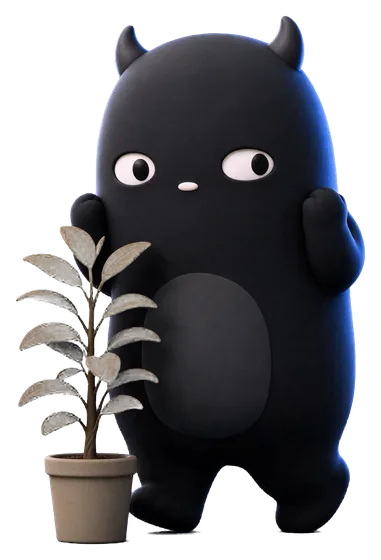
偷感 means “a sneaky feeling”: you do things in a careful, low-key way, as if you hope nobody will notice. People say 偷感很重, “the sneaky feeling is strong”, about shy or secretive behavior.
- Took off
- 2024
- Started in
- Short videos
- Today
- Now everyday Chinese
What it means
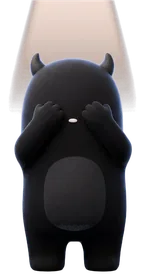
偷 means “to steal”, but nobody steals anything. 偷感 is the look of a person who seems to sneak: eyes down, small steps, a hand in front of the face in photos.
It is not an insult. 语言文字周报 describes it as doing things with little confidence, or out of fear of attention. Many people use it about themselves: studying for an exam without telling anyone, or looking away when the boss looks up.
How people use it
It is now common. You can use it for people, and also for animals and things: a cat creeping along a wall, or clothes that do not fit.

你吃零食的样子好偷感
You look so sneaky when you eat snacks.老板就坐我后面
The boss sits right behind me.难怪你一直低着头
No wonder you keep your head down.偷感拉满
Sneaky mode: maxed out.
More examples
他每次都从后门进教室,偷感很重。
He always comes into the classroom through the back door. Very sneaky.
我拍照只敢站在最边上,偷感太重了。
In photos I only dare to stand at the very edge. So sneaky.
Where it came from
Nobody has traced the first use. A May 2024 article in The Paper says its origin is probably impossible to find. The writer links it to dance covers of the K-pop song “Easy”, released in February 2024, whose moves look sneaky, and says the word then moved from dance to everyday life.
By June 2024 the Douyin topic had more than 510 million views, according to the data firm New Rank. In December 2024 语言文字周报 put 偷感 on its list of the ten top internet phrases of the year.
Related memes
Sources
- The Paper, May 2024 (in Chinese) (m.thepaper.cn)
- New Rank on Woshipm, June 2024 (in Chinese) (woshipm.com)
- The Paper: the phrases of 2024 (in Chinese) (m.thepaper.cn)
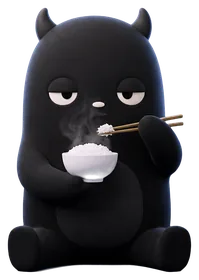
Checked November 2026. The picture at the top is our own drawing of 灯灯. It is not the original meme image.
Ten Chinese memes
One Chinese internet meme every three days for a month: where it came from, what it means and how to use it.