外耗
Outer drain
与其内耗,不如外耗。Why drain myself when I can drain you?
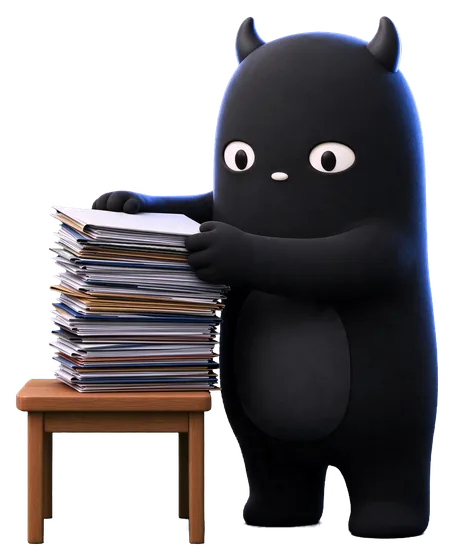
外耗 means “outer drain”. It is the reverse of 内耗, overthinking: instead of wearing yourself out over someone else’s mistake, you hand the problem back to them.
- Took off
- 2024
- Started in
- Online slogans
- Today
- Current
What it means
内耗, “inner drain”, is the tiredness of replaying, worrying and blaming yourself. 外 means “outside”. The stress goes out, to the person who caused it.
It is mostly a joke. People say it when they decide to complain, push back or send a task back instead of stewing over it.
How people use it
It is current, and it is mostly self-mockery: you announce that something will not ruin your day. Said to the person you mean, it is a provocation.

那个同事又把他的活给你了?
Did that coworker dump his work on you again?对,但这次我没内耗
Yes, but this time I didn’t stew over it.我直接还给他了
I just handed it right back.可以啊,学会外耗了
Nice. You’ve learned to drain them instead.
More examples
我不想内耗了,以后只外耗。
I’m done draining myself. From now on, I only drain others.
我把问题全都还给他了,外耗成功。
I handed every problem back to him. Outer drain: done.
Where it came from
It grew out of 精神内耗, “mental drain”. In September 2024, Huxiu reported a popular slogan: 与其精神内耗自己,不如发疯外耗别人, “rather than drain yourself inside, go crazy and drain other people”. Users called this 精神外耗.
The article, first written for a psychology account, read the slogan as a defense: it brings quick relief, but it does not deal with the frustration underneath.
The short form 外耗 is on SmartShanghai’s 2026 slang list, with the line “Why should I 内耗 when I can 外耗?”
The original. There is no single image. Posts share the slogan about draining others instead of yourself. Huxiu discussed it in September 2024. Huxiu (in Chinese)
Related memes

Sources
- Huxiu on 精神外耗, September 2024 (in Chinese) (huxiu.com)
- SmartShanghai, Chinese slang of 2026 (smartshanghai.com)
Checked November 2026. The picture at the top is our own drawing of 灯灯. It is not the original meme image.

Ten Chinese memes
One Chinese internet meme every three days for a month: where it came from, what it means and how to use it.