How to say “can” in Chinese with 会, 能 and 可以
 Leon·November 20, 2026·8 min
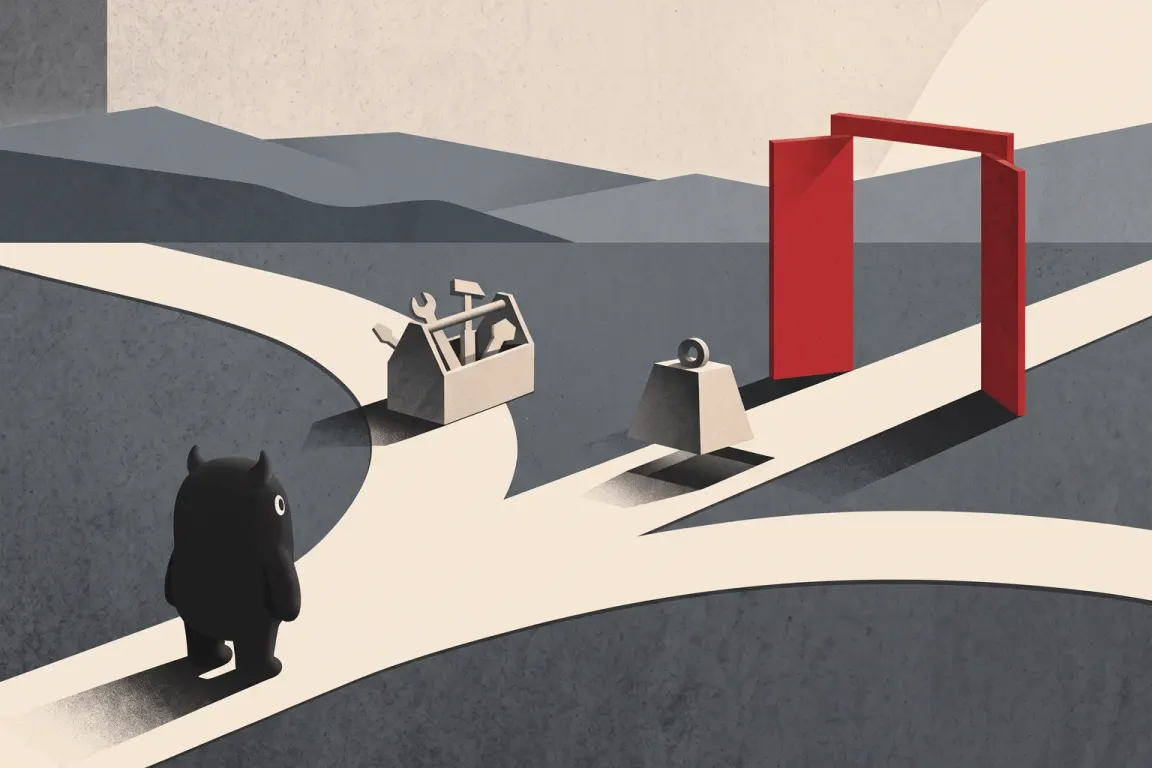
(huì) is “can” for a skill you learned. (néng) is “can” when you are able to, or when nothing stops you. (kěyǐ) is “can” when you are allowed to, or when something is an option.
Before a verb about the future, can also mean “will”.
All three are very common. In SUBTLEX-CH, a frequency list built from 33.5 million words of film and TV subtitles, is the 14th most common word, is the 30th and is the 57th.
In Dengdeng, our Chinese reading app, you tap a word in a story to see its pinyin and what it means in that sentence. , and all translate as “can” in English, so you need the rest of the sentence to know which kind it is.
The example sentences are from Tatoeba, with the contributor's name on each line.
The short version
- : you learned how. Languages, swimming, driving, cooking.
- : you are able to. Your body, your time or the situation allows it.
- : you are allowed to, or it is an option.
- before a future event: “will”, “is going to”.
In many sentences, you can use two of the three.
, a skill you learned
Use for anything you had to learn first.
我会说中文。
I can speak Chinese.
她会开车。
She can drive.
你会游泳吗?
Can you swim?
To answer, use the word itself: for yes, for no. A modest yes is , “a little”.
会,我会说中文。
Yes, I speak Chinese.
我不会骑车。
I can't ride a bike.
This means you never learned, not that you aren't allowed to.
With in front, means “good at”:
他很会说谎。
He's a very good liar.
, “will”
Before a future event, marks a prediction: what the speaker expects to happen.
明天会下雨。
It's going to rain tomorrow.
他说他不会来。
He said he wouldn't come.
With at the end of the sentence, the prediction sounds more certain.
你会后悔的!
You'll regret it!
asks whether something will happen:
我不知道明天会不会下雨。
I don't know if it will rain tomorrow.
So has two meanings. is “I can't drive”. is “he won't come”. You can usually tell from the verb: driving is a skill, and coming is not.
, able to
is about what you can do right now, given your health, your time and the conditions around you.
你能来吗?
Can you come?
我不能喝绿茶。
I can't drink green tea.
真可惜你不能来!
What a pity you can't come!
A person who knows how to swim but has a cold would say ,. They have the skill, but they can't use it today.
also covers capacity, how much you can manage:
我什么都能吃。
I can eat anything.
With a skill, only means that you have it. is common when the sentence says how well or how much:
他能说流利的中文。
He can speak fluent Chinese.
, allowed to
You use to ask for permission and to give it.
我可以抽烟吗?
Can I smoke?
你可以进来。
You can come in.
You also use it for an option, as in a suggestion that starts with “you can”.
你可以随时来。
You can come any time.
On its own, means “OK”. You hear it when people make plans, and when they bargain:
三点可以吗?
Is three o'clock OK?
可以便宜点吗?
Can you make it a bit cheaper?
The short answers are for yes and for no.
Where and overlap
When you ask someone to do something, both work.
你能等一下吗?
Can you wait a moment?
你可以关灯吗?
Can you turn off the light?
can also ask for permission: and both mean “can I come in?”. To say yes, people answer , not .
To say something is not allowed, both and work. is also the word for “impossible”, so it is the more general one. is only about permission, which makes it sound like a rule.
您不能在此停车。
You can't park here.
你上学不可以迟到。
You mustn't be late for school.
The question forms and use the positive and the negative form together:
我问汤姆能不能借他的车。
I asked Tom if I could borrow his car.
功课可不可以借我抄?
Can I copy your homework?
Saying you don't drink
The difference between and matters when someone offers you alcohol.
means “I don't drink”: drinking is not a habit you have.
means you would, but something stops you: medicine, an early start, or , “I drove here”.
How to choose
When you want to say “can”, ask what makes it possible.
- You learned it (a language, an instrument, a sport): .
- It is a prediction about the future: .
- Your body, your time or the situation allows it: .
- It is an amount or a level (eat anything, speak fluently): .
- Someone gives permission: . In questions, also works.
- Something is not allowed: , or for a rule.
- You suggest an option, or agree to a plan: .
The three words in one table
| Word | Main meaning | Negative | Example |
|---|---|---|---|
| know how to | : never learned | ||
| will | : won't | ||
| able to | : unable, or not allowed | ||
| allowed to; OK | or : not allowed |
Common questions
What is the difference between 会 and 能?
is a skill you learned. is being able to at the moment, or a level of skill. Someone with a cold says ,.
How do you say “I can't speak Chinese”?
. would mean that something stops you from speaking it, such as a rule.
Is 可能 the same as 可以?
No. (kěnéng) means “maybe” or “possible”. It often comes before :
可能会下雨。
It might rain.
Can 会 mean “meeting”?
Yes, in words like (to have a meeting) and (chance). There is part of a noun, not the “can” or “will” verb.
Sources
Example sentences come from Tatoeba under CC BY 2.0 FR. Each line links to the original sentence and names its contributor. The originals are in traditional characters; we converted them to simplified characters and wrote the English translations.
Word frequency: SUBTLEX-CH (Cai & Brysbaert, 2010), CC BY 4.0. The ranks count each word as the subtitle corpus segments it.
Dengdeng Dictionary has more sentences for 会, 能 and 可以. To find them in a story, try a Dengdeng preview and tap the “can” in front of a verb.

A week of reading Chinese
Seven short Chinese texts about everyday life in China, one a day, with the hard words explained.
Also on the Blog
How many Chinese characters are there, and how many do you need?
Chinese has tens of thousands of characters, but about 1,000 make up 94% of the characters in a 33-million-word corpus of Chinese subtitles, and about 2,000 make up 99%. You can know a word's characters and still not know the word. We measured character and word coverage at each HSK level.
Nov 17, 2026 · 7 minRead 
How to improve your Chinese tones
To improve your Chinese tones, practice them in two-syllable words and whole sentences, not only as single syllables. Learn the tone pairs, learn the three tone changes, and shadow short clips while you record yourself.
Nov 17, 2026 · 7 minRead