Foundation course · HSK 1 and HSK 2基础课程
Learn Chinese from scratch.
A university-grade course for HSK 1 and HSK 2, with 灯灯 as your teacher. One short lesson a day, from your first word to reading stories on your own.


One new lesson a day is free.
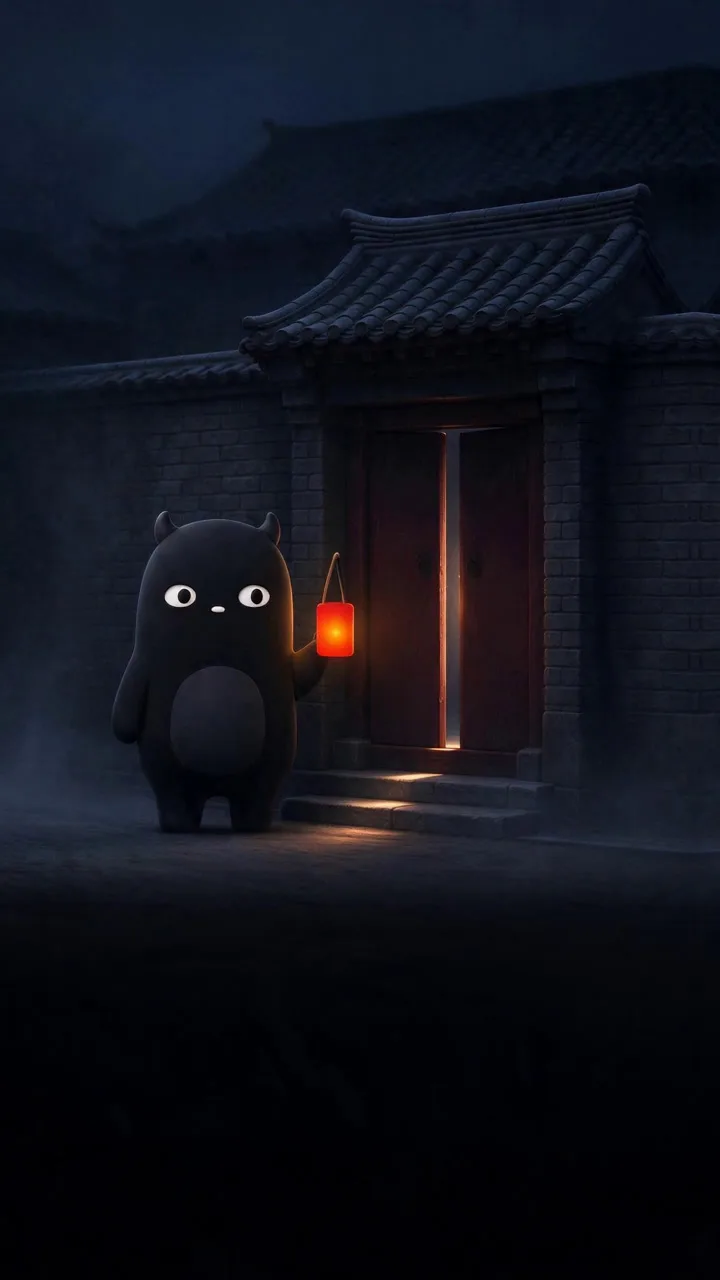
Unit 0 · Lesson 1
kāi shǐ
开始
Start here
- units, each one a part of everyday life
- 35
- short lessons, one a day
- 139
- words, with audio for each one
- 700
- minutes or so for a lesson
- 6
A lesson一课
One short lesson a day.
- New words
- A handful in each lesson, with audio and an example.
- One point
- One piece of grammar or pronunciation, in plain English.
- Exercises
- Choose, match, put in order, fill the blank, name the tone.
- A cartoon
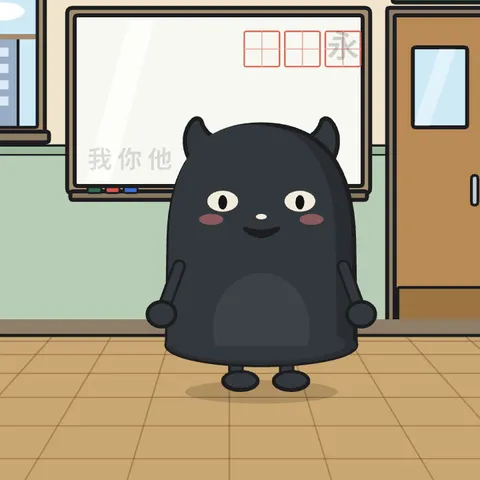
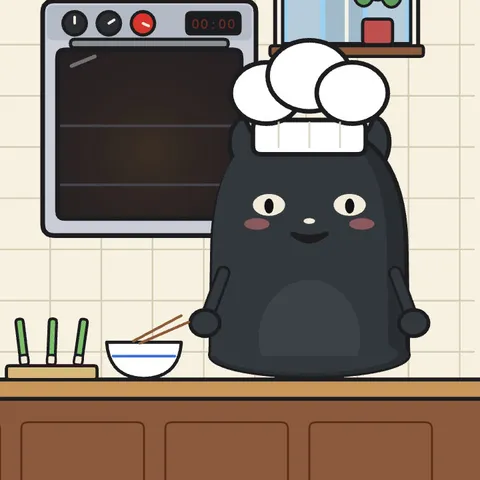
- 灯灯 and his friends use the new words. You listen, then answer.
- A story
- The last lesson of every unit is a story with the unit’s words.

The syllabus课程表
35 units, in two parts.
Every unit is one part of everyday life, and it opens with its own scene. Three lessons teach, the fourth is a story.
Part 1 · HSK 118 units, 71 lessons
Unit 0
kāi shǐ
开始
Start here
Unit 1
nǐ hǎo
你好
Hello
Unit 2
míng zi
名字
Names

Unit 3
nǐ shì nǎ guó rén
你是哪国人
Where are you from?
Unit 4
jiā
家
Family
Unit 5
jīn tiān jǐ hào
今天几号
Age, days and dates
Unit 6
wǒ xiǎng
我想
Wants and plans
Unit 7
xiàn zài jǐ diǎn
现在几点
Time and my day

Unit 8
zài nǎr
在哪儿
Places
Unit 9
yǒu shén me
有什么
What is there?

Unit 10
duō shao qián
多少钱
Shopping
Unit 11
zhèng zài
正在
Right now
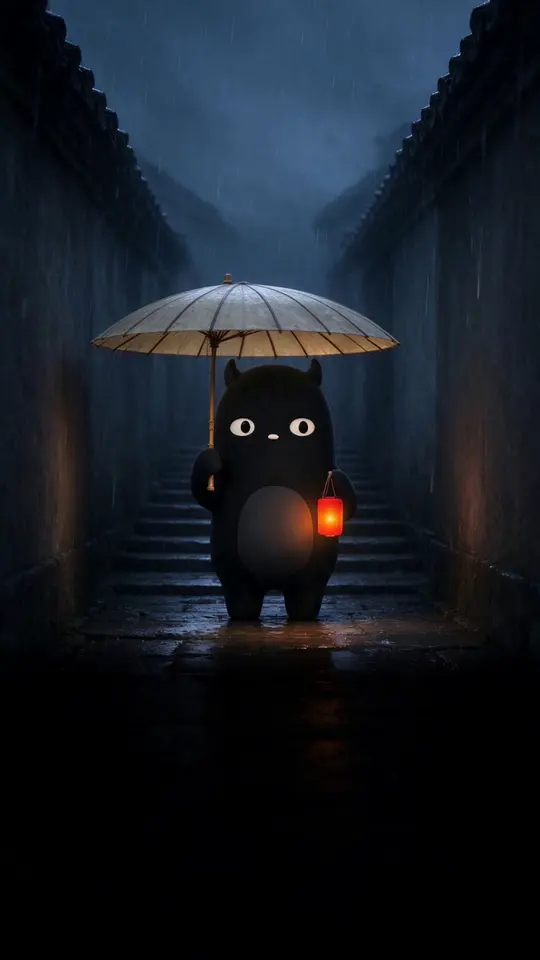
Unit 12
xià yǔ le
下雨了
Weather and change
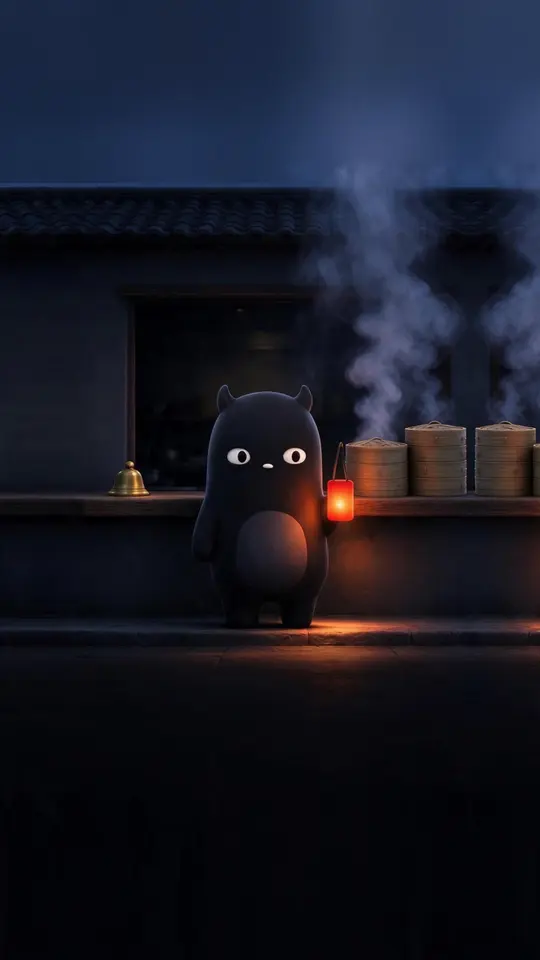
Unit 13
kě yǐ ma
可以吗
Asking nicely
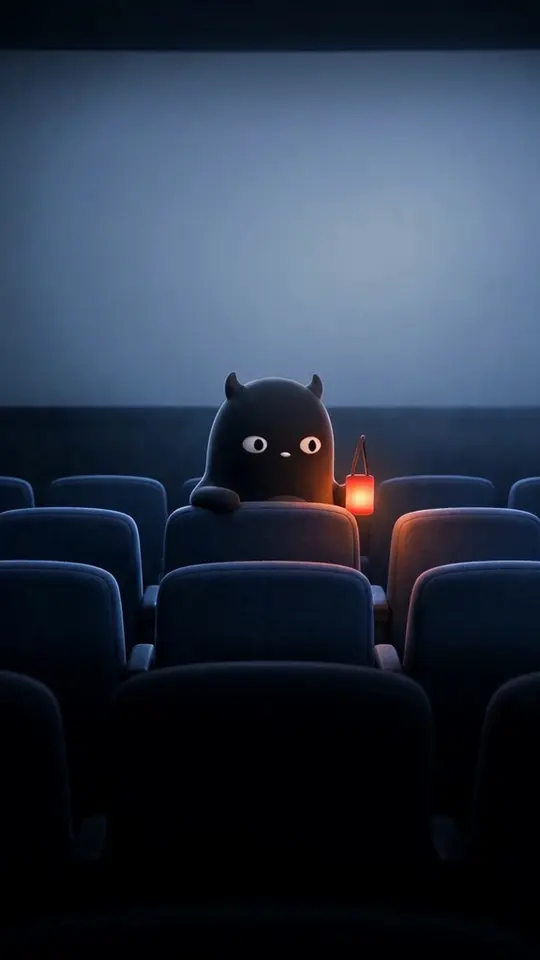
Unit 14
wǒ kàn le
我看了
What happened
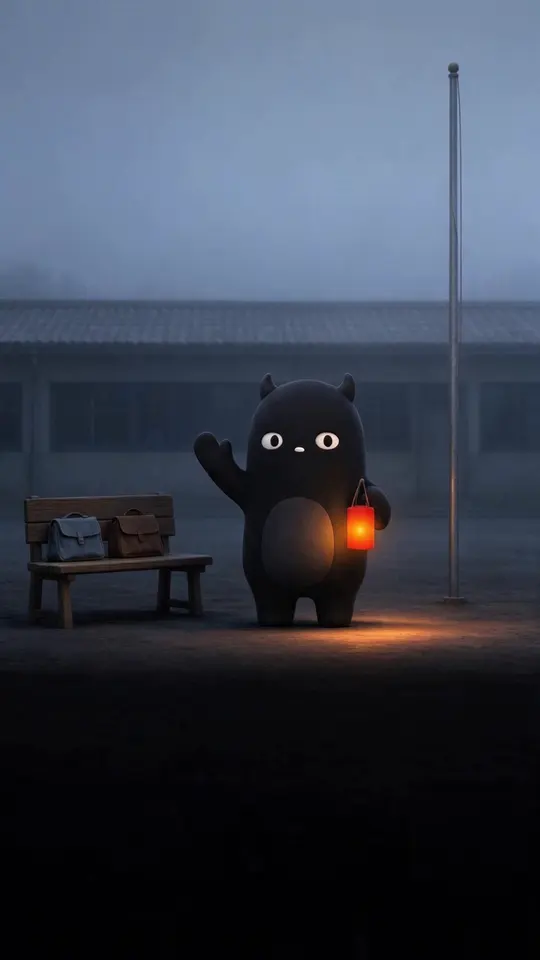
Unit 15
shàng xué
上学
School and friends
Unit 16
wǒ bìng le
我病了
Feeling ill
Unit 17
jī chǎng jiàn
机场见
Getting there
Part 2 · HSK 217 units, 68 lessons
Unit 18
qǐng kè
请客
Guests

Unit 19
zěn me qù
怎么去
Getting around
Unit 20
lǚ yóu
旅游
A trip
Unit 21
yán sè
颜色
Clothes and colours
Unit 22
zuò kè
做客
Visiting a home
Unit 23
shēng rì kuài lè
生日快乐
A birthday
Unit 24
ài hào
爱好
Sports and hobbies
Unit 25
bǐ yi bǐ
比一比
Comparing
Unit 26
yuǎn bu yuǎn
远不远
Near and far
Unit 27
kǎo shì
考试
Exam time
Unit 28
zuì xǐ huan
最喜欢
Favourites
Unit 29
yí yàng ma
一样吗
More comparing
Unit 30
shàng kè
上课
In class
Unit 31
guò nián
过年
Festivals
Unit 32
qù shāng chǎng
去商场
In the city
Unit 33
kāi xué le
开学了
A school term
Unit 34
zài lái yí cì
再来一次
Again
See all 139 lessons
Unit 0 · Start here开始
- Welcome. Know how Chinese works and how this course works.
- The sounds. Read a pinyin syllable: start + ending.
- The four tones. Hear and name the four tones.
Unit 1 · Hello你好
- Hello, teacher. Greet one person, a group, or someone you respect.
- Thanks and sorry. Thank someone, answer thanks, say sorry and goodbye.
- Me, him, her. Point at people: I, he, she, we, they.
- Good morning. Greet by time of day and say see you tomorrow.
Unit 2 · Names名字
- My name is. Say your name.
- What is your name?. Ask a name; the question word sits where the answer goes.
- Who is this?. Introduce a friend.
- And you?. Return a question with 呢; say "me too" with 也; say nice to meet you.
Unit 3 · Where are you from?你是哪国人
- I am Chinese. Say your country and ask someone's.
- Yes or no?. Ask a yes–no question and answer it.
- Jobs. Say what you and others do.
- My teacher, your book. Say whose it is.
Unit 4 · Family家
- My family. Name the people in a family.
- I have. Say what you have and do not have.
- One to ten. Count to ten.
- How many?. Count people and things.
Unit 5 · Age, days and dates今天几号
- How old?. Count to 99 and say ages.
- Days of the week. Say the day.
- Dates and birthdays. Say a date and your birthday.
- I can speak a little. Say what you can do (a learned skill).
Unit 6 · Wants and plans我想
- I'd like tea. Say what you would like to eat or drink.
- Go and buy. Say where you go to do something.
- Phone numbers. Ask and give a phone number.
- How do you say it?. Ask how to say, read or write something.
Unit 7 · Time and my day现在几点
- What time is it?. Tell the time.
- My day. Say when you do things.
- Morning, noon, afternoon. Say the part of the day and ask when.
- Let's go. Suggest doing something together.
Unit 8 · Places在哪儿
- Where is it?. Say where someone or something is.
- Around town. Name places in a city.
- On, in, under. Say where things are.
- Can I sit here?. Ask if something is possible or allowed.
Unit 9 · What is there?有什么
- There is. Say what is in a place.
- Tomorrow at school. Say when and where you do something.
- The first time. Number things in order.
- My room. Describe a place.
Unit 10 · Shopping多少钱
- How much?. Ask and say a price.
- Cheap, pretty, tasty. Describe something.
- This one, that one. Buy things by the cup, the book, the piece.
- How is it?. Ask for an opinion and give one.
Unit 11 · Right now正在
- Are you busy?. Ask a yes–no question another way.
- What are you doing?. Say what is happening now.
- I want a coffee. Order, and say what you are going to do.
- At university. Talk about studying.
Unit 12 · Weather and change下雨了
- Hot and cold. Talk about the weather.
- It has changed. Say that something is now different.
- Too expensive!. Exclaim.
- A rainy day. Follow a short story about a day's weather.
Unit 13 · Asking nicely可以吗
- May I?. Ask for and give permission.
- Just a moment. Soften a request.
- Give me a cup of tea. Order food and drink.
- At the restaurant. Follow an order in a restaurant.
Unit 14 · What happened我看了
- I watched a film. Say what you did.
- I didn't go. Say what did not happen.
- We met. Use two-part verbs.
- A good weekend. Follow a story about what people did at the weekend.
Unit 15 · School and friends上学
- Off to school. Say which school someone goes to.
- These and those. Talk about some people or things of a group.
- Friends and family. Talk about the people around someone.
- At the bookshop. Follow a story about a trip to a bookshop.
Unit 16 · Feeling ill我病了
- I'm ill. Say you are ill and tell someone not to do something.
- Before and after. Say that something happens before or after a time.
- Over here. Say on which side something is.
- A day in bed. Follow a story about a day off sick.
Unit 17 · Getting there机场见
- By plane, by train. Say how you travel.
- And also. Add a second thing.
- See you there. Fix a time and place to meet.
- HSK 1: you made it. Read a full page of Chinese.
Unit 18 · Guests请客
- You're a student, right?. Check a guess.
- How did you come?. Ask when, where or how a past thing happened.
- She invited us. Say that someone asks or lets someone do something.
- A dinner invitation. Follow a story about a dinner.
Unit 19 · Getting around怎么去
- Let's take a taxi instead. Settle on the better choice.
- Twenty-something. Give a rough number.
- The book I bought. Describe a thing with a verb phrase.
- Across the city. Follow a story about a trip across town.
Unit 20 · A trip旅游
- Finished!. Say an action reached its result.
- Have a look. Make an action light and short.
- Let me think. Say you did or will do something briefly.
- Three days in Xi'an. Follow a travel story.
Unit 21 · Clothes and colours颜色
- Have you ever?. Talk about experience.
- Because, so. Give a reason.
- The red one. Leave out the noun.
- What to wear. Follow a story about choosing clothes.
Unit 22 · Visiting a home做客
- Come in!. Say the direction of a move.
- Bring it here. Use direction with a place or a thing.
- It's already eight!. Say it is late, old or a lot already.
- First visit. Follow a story about visiting a Chinese home.
Unit 23 · A birthday生日快乐
- Big, big eyes. Describe vividly.
- And so on. End a list loosely.
- Happily. Say how someone does something.
- The birthday party. Follow a story about a birthday.
Unit 24 · Sports and hobbies爱好
- As soon as. Link two actions that follow at once.
- He plays well. Say how well someone does something.
- She speaks Chinese well. Use 得 with an object.
- The match. Follow a story about a game.
Unit 25 · Comparing比一比
- Taller than me. Compare two things.
- A bit taller. Say by how much.
- Although. Say "although … but".
- Two cities. Follow a story that compares two places.
Unit 26 · Near and far远不远
- Not as big as. Compare the other way.
- Far from here. Say how far.
- For an hour. Say how long.
- The milk tea run. Follow a story about a walk to a shop.
Unit 27 · Exam time考试
- His eyes are big. Describe a part of someone or something.
- Tea or coffee?. Offer a choice.
- About to. Say something happens soon.
- The night before. Follow a story about an exam.
Unit 28 · Favourites最喜欢
- The door is open. Describe a lasting state.
- Sitting and reading. Say how an action is done.
- The best. Say "most".
- The best dish. Follow a story about favourite food.
Unit 29 · More comparing一样吗
- Three years older. Compare with an exact amount.
- The same as. Say two things are alike.
- Even more. Push a comparison further.
- North and south. Follow a story about weather in two cities.
Unit 30 · In class上课
- Teach us Chinese. Use verbs that take a person and a thing.
- Faster than me. Compare how well people do things.
- As tall as that. Compare with 有.
- The new classmate. Follow a story about a class.
Unit 31 · Festivals过年
- On the table there is. Say what is placed somewhere.
- How pretty!. Exclaim with 多.
- Walk in, run out. Combine a move and a direction.
- Spring Festival. Follow a story about Chinese New Year.
Unit 32 · In the city去商场
- Inside the mall. Say where things are with 里面, 外面, 上面 and 下面.
- Up and down. Say a move up, down, in or across.
- Tickets and taxis. Plan a trip: a taxi, tickets bought online.
- A day in the city. Follow a story about a day out in the city.
Unit 33 · A school term开学了
- School starts. Say when school starts and what you need.
- Boys and girls. Talk about a class and who came first.
- Often. Say how often and when you do something.
- The new term. Follow a story about the first week of a term.
Unit 34 · Again再来一次
- Three times. Say how many times.
- Again. Say again for the future and the past.
- That long. Say a size or amount with 有.
- Ready for Easy. Read a long story and finish the course.
How it is built教学
Built like a university course.
- The order of a university course
- A first-year university Mandarin course starts with the sounds and the tones, then teaches words, characters and grammar side by side. This course follows the same order.
- The full HSK 1 and HSK 2 word lists
- The course teaches every word of HSK 1 and HSK 2 in the 2025 exam syllabus, used for the exams from 13 December 2026, and every word of the older HSK 2.0 levels 1 and 2.
- Review is part of it
- Every lesson adds its words to your review. They come back as flashcards when they are due, so you still know the words of unit 1 in unit 30.
- Skip what you know
- Know some Chinese already? A short check lets you start from a later unit.

After the course然后
Then read real stories from China.
The course gets you ready to learn on your own. Dengdeng has 3 new stories every day at Easy, Medium and Hard, with every word a tap away, and the words you tap join the same review.
See today’s storiesFree and Pro价格
One new lesson a day is free.
Dengdeng Pro has no daily limit, so you can go at your own pace. The app shows your price before you subscribe.
Want to read about the first steps before you start? The beginner roadmap explains the sounds, the characters and the first sentence patterns, week by week.
Questions
Before you start.
Can I learn Chinese from scratch with Dengdeng?
Yes. The Foundation course is for people who know no Chinese. Its first lessons teach how Chinese works, the sounds of pinyin and the four tones. Then each unit teaches the words and grammar of one everyday subject, such as names, family, time, shopping and travel.
Does the course cover HSK 1 and HSK 2?
The course teaches every word of HSK 1 and HSK 2 in the 2025 exam syllabus, used for the exams from 13 December 2026, and every word of the older HSK 2.0 levels 1 and 2. It follows the grammar of those two levels. It has no mock exams.
How long does the course take?
A lesson takes about 6 minutes. At one lesson a day, the 139 lessons take about 20 weeks. With Dengdeng Pro you can take more than one new lesson a day.
Is the course free?
Yes, at one new lesson a day. A lesson that you started or finished stays open. Dengdeng Pro has no daily limit.
Do I need to know pinyin or characters first?
No. The course teaches pinyin and the tones first, and every Chinese line shows its pinyin. Tap any word to see its meaning.
What comes after the course?
Real stories from China. Dengdeng has three new stories every day at Easy, Medium and Hard, plus cartoons and daily chats with 灯灯 and his friends. After the course you know enough to start the Easy stories on your own.