杯具
Tragedy (literally: cups)
好杯具啊。What a tragedy.
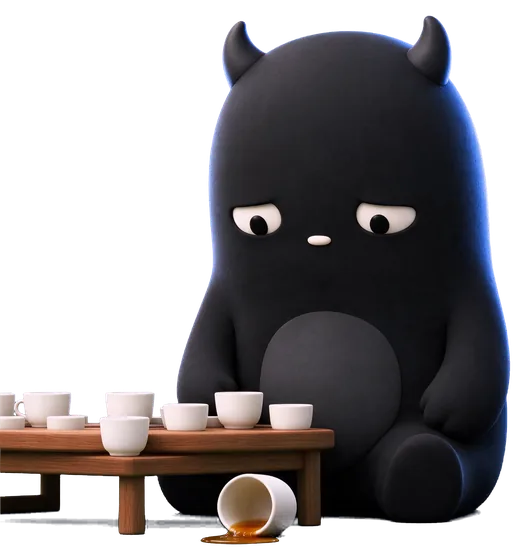
杯具 means “cups” or “a set of cups”. Online it stands for 悲剧, “tragedy”, because the two words sound the same. It means a small disaster you can laugh about.
- Took off
- 2009
- Started in
- Forum wordplay
- Today
- A classic
What it means
悲剧 is the normal word for a tragedy, and also for plain bad luck. Writing it as 杯具 makes it lighter. A failed exam, a dropped phone or a missed bus is 杯具.
The joke grew into a family of puns: 洗具, “washing things”, sounds like 喜剧, “comedy”, and 餐具, “tableware”, sounds like 惨剧, “disaster”.
How people use it
杯具 now sounds like 2009, and many younger users just write 悲剧. You still see it in jokes, and most people online know the pun.

你到学校了吗?
Are you at school yet?别提了,公交车刚走
Don’t ask. The bus just left.下一班要等半个小时
The next one is half an hour away.太杯具了!
What a tragedy!还下雨了,杯具中的杯具
And now it’s raining. The tragedy of tragedies.
More examples
我刚买的手机就摔坏了,真杯具。
I just bought this phone and it’s already broken. Tragic.
考试那天我睡过头了,太杯具了!
I overslept on exam day. Total disaster!
Where it came from
The word took off on Chinese forums in 2009. Its best-known line was 人生就像茶几,上面布满了杯具: “life is like a tea table covered with cups”, that is, covered with tragedies. The sources do not name the first user.
In 2010, Guangming Daily reported that a survey of several websites had ranked 杯具 as the hottest internet word of 2009.
The original. There is no image: the joke is the sound. The classic line compares life to a tea table full of cups. Guangming Daily quoted it in 2010. Guangming Daily, via sinoss.net (in Chinese)
Related memes
Sources
- Guangming Daily, October 2010, via sinoss.net (in Chinese) (sinoss.net)
- Sina Books: the words of 2009, via sinoss.net (in Chinese) (sinoss.net)
- Chinese Wikipedia: list of mainland internet slang (in Chinese) (zh.wikipedia.org)
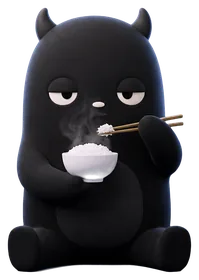
Checked November 2026. The picture at the top is our own drawing of 灯灯. It is not the original meme image.
Ten Chinese memes
One Chinese internet meme every three days for a month: where it came from, what it means and how to use it.