后浪
The waves behind (the younger generation)
奔涌吧,后浪!Surge on, waves behind!
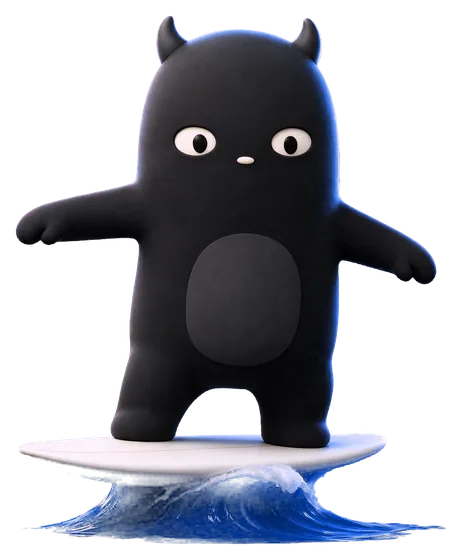
后浪, “the waves behind”, means the younger generation that comes after you. A Bilibili video in May 2020 praised young people under this name, and the word became a meme, used in earnest, in parody and to tease.
- Took off
- 2020
- Started in
- A Bilibili video
- Today
- A classic
What it means
The word comes from the saying 长江后浪推前浪, “on the Yangtze, the waves behind push the waves ahead”: each generation goes further than the one before. 前浪, “the waves ahead”, is the older generation.
Since 2020 the word can also sound ironic. Calling young people 后浪 can be sincere praise, or it can sound like an older person’s speech about them, so many people use it with a smile.
How people use it
It is a classic, and the word itself is ordinary now. Headlines use 后浪 for talented young people in a field.
In chat it is often a tease. An older coworker calls a new hire 后浪, and you call yourself 前浪 when someone younger does your job faster.

新来的实习生三天就学会了
The new intern learned it all in three days.我学了三个月
It took me three months.后浪太可怕了
These young ones are scary.前浪先去喝杯咖啡
This old wave is going for a coffee.
More examples
公司来了几个后浪,比我们厉害多了。
Some young hires joined the company. They’re way better than us.
我已经是前浪了,你们后浪加油。
I’m one of the old waves now. Go for it, you young ones.
For the word itself and how to reply to it, see 后浪 in the slang dictionary.
Where it came from
Bilibili released a four-minute video called 后浪 on 3 May 2020. The actor He Bing gives a speech in praise of young people, over clips of them traveling, skydiving, playing traditional instruments and playing esports, many taken from Bilibili creators. The speech ends with the line 奔涌吧,后浪, “surge on, waves behind”.
By 5 May the video had more than 10 million views, KrASIA reported. Many viewers liked it. Others said it showed a lucky few and left out graduates looking for work, young people in small towns and office workers on overtime. Jiemian wrote that many critics called it empty feel-good talk.
Parodies followed fast. Gcores reported that less than 24 hours after the video, a Bilibili creator had posted a reply called 前浪.
The original. A four-minute video: an actor speaks to the camera, and clips of young people traveling, filming and playing music cut in. KrASIA reported on the video and the reactions in May 2020. KrASIA
Related memes




Sources
- KrASIA, May 2020 (kr-asia.com)
- Jiemian, May 2020 (in Chinese) (m.jiemian.com)
- Gcores, May 2020 (in Chinese) (gcores.com)
Checked November 2026. The picture at the top is our own drawing of 灯灯. It is not the original meme image.

Ten Chinese memes
One Chinese internet meme every three days for a month: where it came from, what it means and how to use it.