鸡娃
Pushing your kid hard
周末也要鸡娃。Pushing the kid, even on weekends.
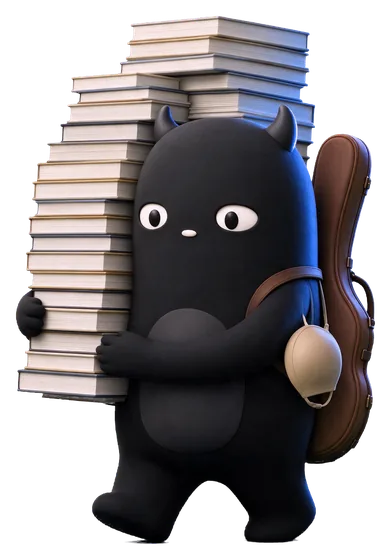
鸡娃 means pushing a child hard with classes, tutors and contests, as if you had given them a shot of chicken blood. It is a verb (to push your kid) and a noun (a pushed kid).
- Took off
- 2021
- Started in
- City parents’ talk
- Today
- Now everyday Chinese
What it means
The 鸡 comes from 打鸡血, “to inject chicken blood”, a common phrase for getting someone fired up. 娃 means “kid”. So 鸡娃 is “to fire up a kid”.
Parents who do it have their own slang. The Paper listed some in 2020: a 牛娃 is a star kid and a 普娃 an ordinary one. 荤鸡, “meat chicken”, pushes school subjects, and 素鸡, “vegetarian chicken”, pushes music, sport and art.
How people use it
Parents use it about themselves, often with a sigh, and young adults use it about how they grew up. Said about someone else’s parenting, it is a criticism.

我表姐给她儿子报了五个班
My cousin signed her son up for five classes.他才六岁吧?
Isn’t he only six?对,周末都没时间玩
Yeah. He has no time to play, even on weekends.现在鸡娃都从幼儿园开始了
These days the pushing starts in kindergarten.
More examples
她每天鸡娃到晚上十点。
She pushes her kid until ten every night.
周末还要上四个班,这也太鸡娃了。
Four classes on the weekend? That’s too much pushing.
Where it came from
In December 2020, The Paper described 鸡娃 as the way a new generation of middle-class city parents raise their children. It named Huangzhuang, in Beijing’s Haidian district, as the place where it was fiercest.
An April 2021 article on Tencent News says the word was first written 激娃, “to motivate a kid”, and later became 鸡娃. The same article discusses 小舍得, a TV drama airing that spring about families who push their children.
Related memes
Sources
- The Paper, December 2020 (in Chinese) (m.thepaper.cn)
- Tencent News, April 2021 (in Chinese) (news.qq.com)
- The Paper: the ten phrases of 2021 (in Chinese) (thepaper.cn)
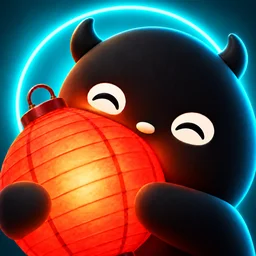
Checked November 2026. The picture at the top is our own drawing of 灯灯. It is not the original meme image.
Ten Chinese memes
One Chinese internet meme every three days for a month: where it came from, what it means and how to use it.