特种兵旅游
Special-forces travel
下一站!Next stop!
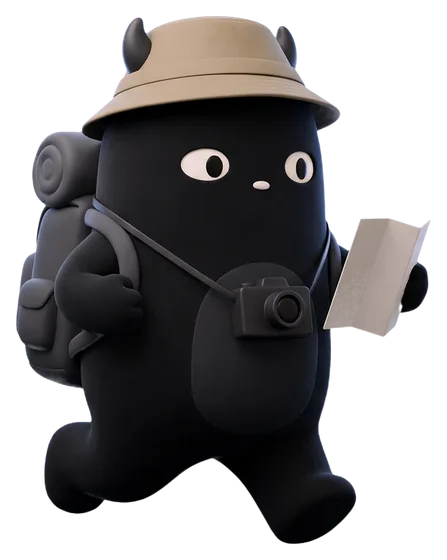
特种兵旅游, “special-forces travel”, is a trip run like a military mission: as many sights as possible, in as little time and for as little money as possible, often in one weekend.
- Took off
- 2023
- Started in
- Xiaohongshu
- Today
- Now everyday Chinese
What it means
A typical plan: leave on Friday night by train, see six places in a day and a half, sleep on the train back and walk into class on Monday morning. It is tiring on purpose, and people post the schedule to show off.
The longer form is 特种兵式旅游, “special-forces-style travel”.
How people use it
It is now an ordinary travel word. The opposite is the slow trip, or the citywalk: an unhurried walk around one neighborhood.

五一你去哪里玩?
Where are you going for the May Day holiday?两天去三个城市,晚上坐火车
Three cities in two days, night trains in between.又是特种兵旅游?你不累吗?
Special-forces travel again? Don’t you get tired?累,但是便宜啊
Sure, but it’s cheap!
More examples
周末我去了三个城市,完全是特种兵旅游。
I went to three cities this weekend. Pure special-forces travel.
我不想特种兵旅游了,这次想慢慢玩。
I’m done with special-forces trips. This time I want to take it slow.
Where it came from
The trend took off among Chinese university students in April 2023. The Paper reported that Xiaohongshu posts on the topic grew more than twentyfold in the three weeks to 16 April, and that more than 60 percent of the posters were 19 to 25 years old.
咬文嚼字 put 特种兵式旅游 on its list of the ten most popular phrases of 2023, and the national language monitoring center listed it too.
The original. There is no single image. Posts show a packed timetable or a collage of a dozen sights in one day. The Paper reported on the trend in April 2023. The Paper (in Chinese)
Related memes
Related slang in the dictionary: 搭子
Sources
- The Paper, April 2023 (in Chinese) (thepaper.cn)
- The Paper, April 2023 survey (in Chinese) (thepaper.cn)
Checked November 2026. The picture at the top is our own drawing of 灯灯. It is not the original meme image.

Ten Chinese memes
One Chinese internet meme every three days for a month: where it came from, what it means and how to use it.