Beginner questions
The first 100 Chinese characters.
These are the 100 Chinese characters you see most often, in order, with pinyin, meaning, audio and an example word. Together they make up 58% of the characters in a 33-million-word collection of film and TV subtitles.
How to use the list
Learn about ten a day, and say each one out loud. In a week and a half you have all 100.
Learn each character in its example word too. Most Chinese words have two characters, and the word is what you read and say.
Some of these characters are grammar words, such as , and . They make sense in sentences, not alone, so do not worry if their meaning feels vague at first.
The pinyin shows each character’s own tone. In speech some tones change, for example when two third tones meet. Chapter 2 of the roadmap explains the changes, and how to read Chinese characters shows how their parts work.
Tap a character to hear it.
Frequency: SUBTLEX-CH (Cai & Brysbaert, 2010), a list of word counts from Chinese film and TV subtitles, under CC BY 4.0. We gave each character the counts of the words it appears in. Next, try the first 180 words, which use many of these characters.
Next step
Read a story in Chinese.
Dengdeng has Beginner stories, written for your first months of Chinese, with pinyin you can turn on for every word. Tap a word to see what it means.
Beginner · Animals
我的猫My cat
I have a cat. Her name is Xiaobai. Xiaobai loves to sleep. She sleeps twelve hours a day!
Tap a word
Free Beginner stories
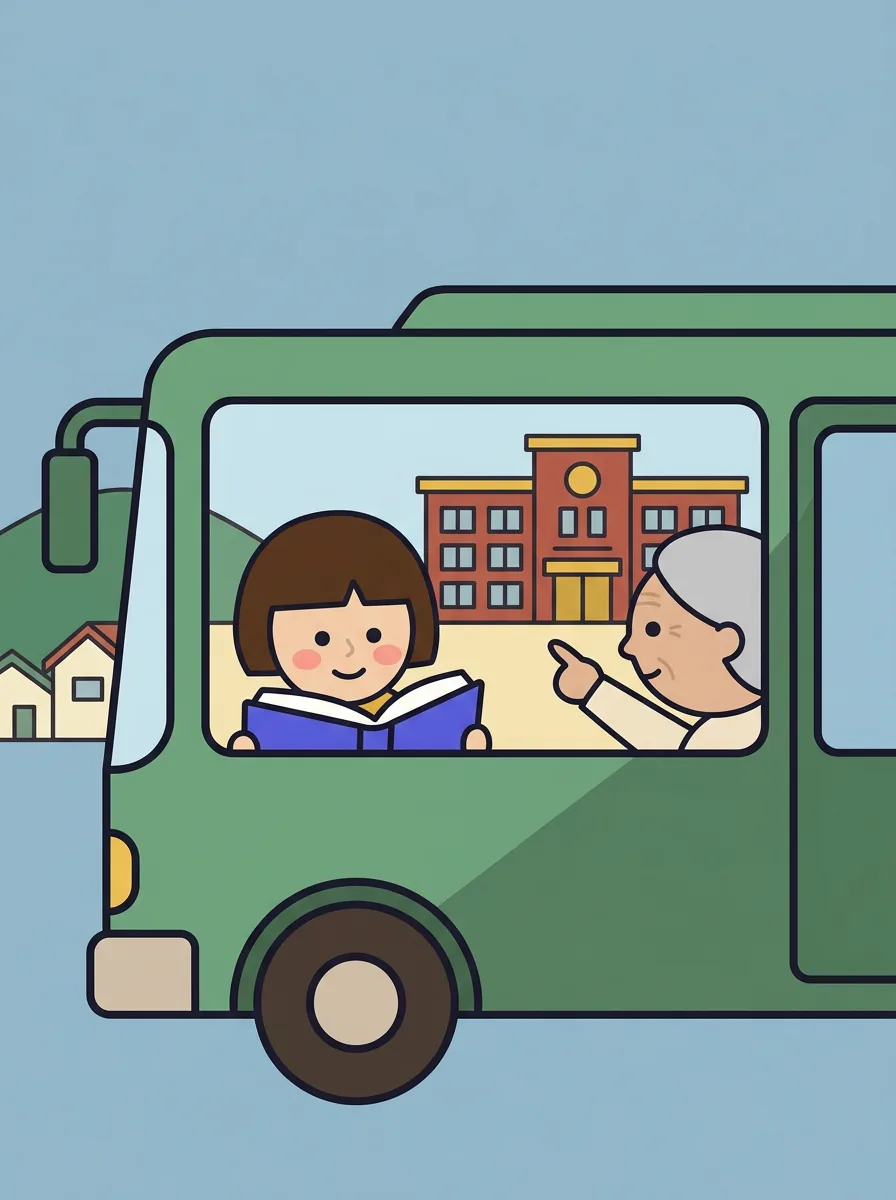
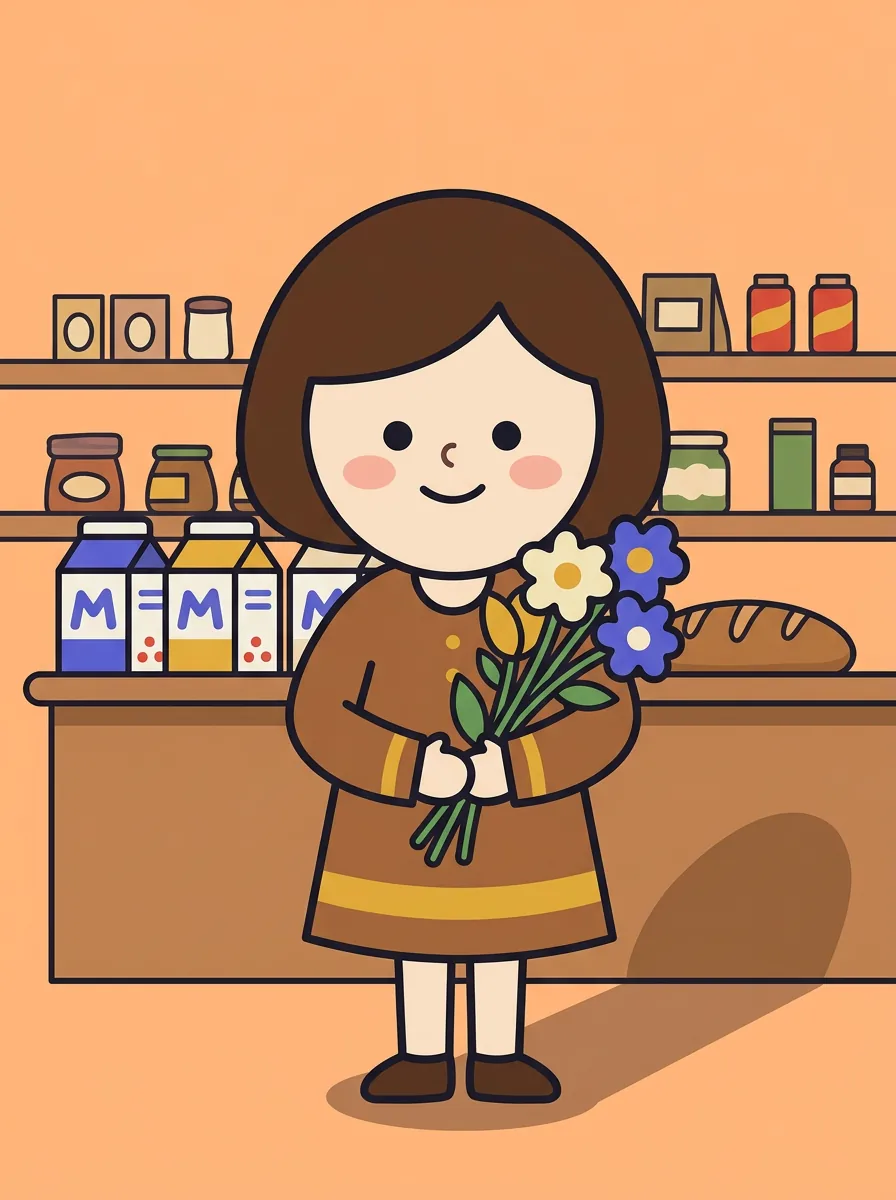
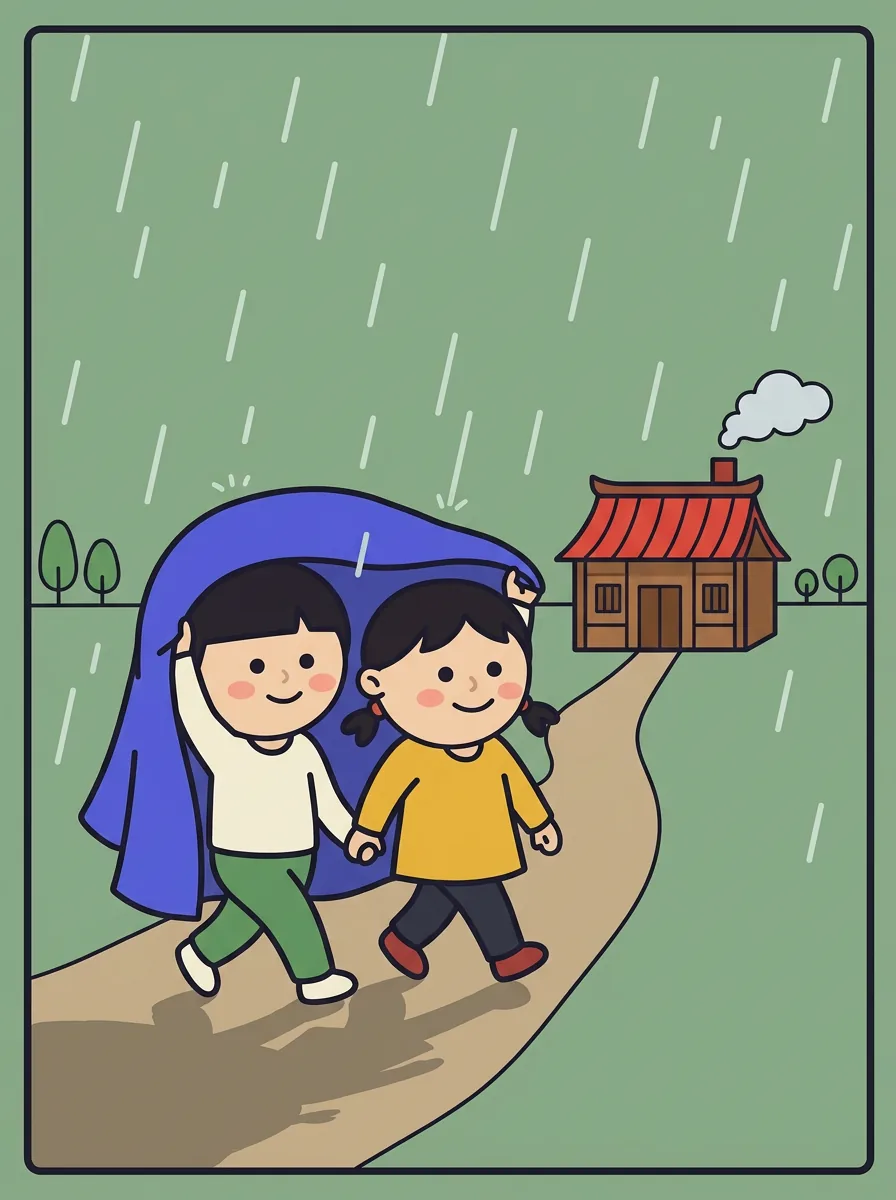
Before you sign up, a short reading check starts you at Beginner if the first sentences are new to you. One Beginner story is free every day.


Your first 100 characters
Ten characters every two days, grouped so the parts repeat. 100 characters and the words they make, in 20 days.
Questions
Before you start.
What is the most common Chinese character?
In written Chinese it is 的 (de), the word that links a describing word to a noun. In film and TV dialogue, 我 (wǒ, I) comes first and 的 comes second.
How many Chinese characters do I need to know?
Start with these 100: they make up 58% of the characters in film and TV dialogue. About 1,000 characters make up 94%, and about 2,000 make up 99%. Learn them as parts of words, because many words mean more than their characters.
Should I learn to write these characters by hand?
Not at first. Learn to recognize them and to say them. Handwriting takes much longer, and you can add it once you read comfortably.
Can I print this list for my class?
Yes. The PDF and the decks are free for classroom use. If you share them online, please link to this page.
Starting from zero? The free beginner roadmap takes you from the first sounds to your first real story in eight weeks.